
What Should You Consider When Creating Custom Apparel and Hat Designs?
Quick Summary:
Blazon Apparel + Print is a custom apparel and headwear company based in Gaston, South Carolina, serving businesses, creators, teams, and organizations throughout the Midlands and across South Carolina. We help customers create unique, print-ready t-shirt and hat designs that translate well from concept to finished product—using professional screen printing, embroidery, and patch decoration methods.

Why Does Understanding Your Audience Matter Before Designing?
Every successful design starts with knowing who it’s for.
Before choosing fonts, colors, or graphics, consider:
- Age range and interests
- Where the apparel will be worn
- Whether the goal is branding, promotion, or personal expression
Designs for a corporate event, for example, differ greatly from designs for a family reunion or lifestyle brand. Understanding your audience helps ensure the final product resonates instead of blending in.
Where Does Design Inspiration Usually Come From?
Inspiration doesn’t have to be complicated—it just needs direction.
What Are Common Sources of Inspiration?
Design ideas often come from:
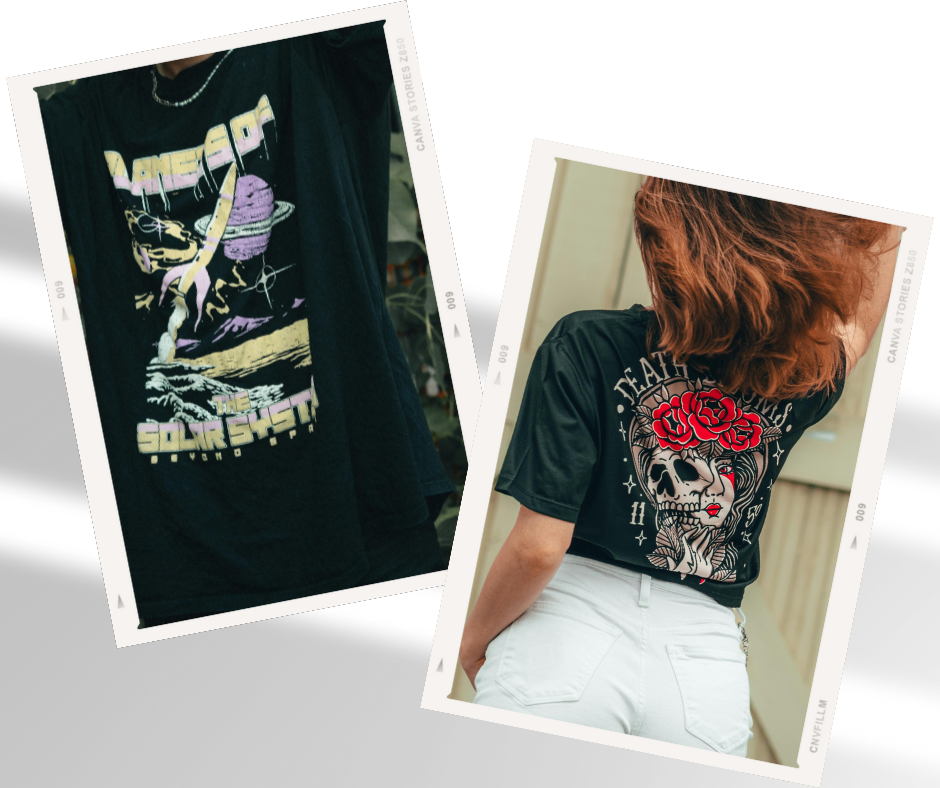
- Fashion and streetwear trends
- Pop culture and music
- Nature, textures, and patterns
- Online platforms like Pinterest, Behance, and Instagram
Looking at what’s already working helps spark new ideas while avoiding outdated styles.
Why Is a Mood Board or Concept Outline Helpful?
Organizing inspiration before designing saves time later.
Mood boards or simple brainstorm notes help:
- Clarify your visual direction
- Align colors, fonts, and themes
- Reduce trial-and-error during production
The clearer the idea upfront, the smoother the rest of the process becomes.
What Design Principles Apply to Both T-Shirts and Hats?
Strong designs follow a few universal rules—regardless of apparel type.
Key principles include:
- Color balance: Choose palettes that align with your brand or message
- Typography: Fonts should enhance readability, not overpower the design
- Spacing and layout: Clean designs almost always perform better
Simple, intentional designs translate better to real garments.
What Tools Can Be Used to Create Apparel Designs?
There are many design tools available, ranging from beginner-friendly to professional-grade.
Popular options include:
- Adobe Illustrator
- Canva
- Procreate
There are also free libraries for fonts, icons, and graphics that can help elevate your design.
Important note: At Blazon Apparel + Print, our in-house designers can handle all of this for you—turning rough ideas or simple concepts into print-ready designs built specifically for apparel production. Look at examples of successful t-shirt designs for inspiration and avoid common mistakes like overcrowding the design or using clashing colors.
What’s the Difference Between Designing for T-Shirts vs Hats?
While the creative process is similar, the execution is different.
T-Shirt vs Hat Design Comparison Table
| Design Element | T-Shirts | Hats |
|---|---|---|
| Canvas Size | Large, flexible | Small, compact |
| Design Complexity | Can support more detail | Best kept simple |
| Placement Options | Front, back, sleeves | Front, side, back |
| Decoration Methods | Screen printing, DTG, DTF | Embroidery, patches |
| Visual Impact | Bold graphics & layouts | Clean, high-contrast designs |
What Are the Key Steps to Designing a Custom T-Shirt?
T-shirt design follows a clear progression.
Typical steps include:
- Define a concept or theme
- Sketch ideas on paper or digitally
- Refine colors, fonts, and layout
- Create a digital version using design software
- Review and revise before production
Avoid common mistakes like overcrowding designs or using colors that don’t contrast well with the garment.
What Should You Keep in Mind When Designing a Hat?
Hats require more restraint due to limited space.
Important considerations include:
- Hat type (trucker, snapback, beanie, dad hat)
- Design placement (front, side, or back)
- Decoration method (embroidery, leather patch, PVC patch, etc.)
Simple, bold designs almost always perform best on headwear.
Again, look at examples and keep your design clean and impactful.
Why Is Feedback Important Before Finalizing a Design?
Fresh eyes catch things designers often miss.
Before final approval:
- Share designs with friends, teammates, or coworkers
- Gather opinions through social media or small focus groups
- Use feedback to refine—not overhaul—the design
This step improves confidence before printing begins.
How Do You Prepare a Design for Printing?
Once finalized, artwork must be production-ready.
This typically includes:
- Correct file formats and resolution
- Proper sizing and placement notes
- Clear communication with the printer
Working with a professional shop like Blazon Apparel + Print in Gaston, SC ensures designs are adjusted correctly for screen printing, embroidery, or patch application.
Why Choose Blazon Apparel + Print for Apparel and Hat Design?
Customers across Gaston, Lexington, Columbia, and the Midlands choose Blazon because we combine creative support with real production expertise.
We help with:
- Design creation and refinement
- Apparel and hat selection
- Matching designs to the right decoration method
- Ensuring designs translate cleanly to finished products
Ready to Turn Your Idea Into Wearable Apparel?
If you’re planning custom t-shirts or hats near Gaston, SC, Blazon Apparel + Print is ready to help bring your designs to life.
Contact us today for design assistance, production guidance, or full-service custom apparel support and don’t forget to tag @WeAreBlazon when you share your finished gear.
Latest Blogs
Sustainability in Custom Apparel and Promotional Products: Why It Matters Now
Chris Stanford
·
Creating Events People Remember: Custom Apparel and Promo Strategies by Blazon
Chris Stanford
·
Blazon’s Guide to Custom Apparel: Screen Printing & Embroidery Trends
Chris Stanford
·
What It Means to Truly Emblazon a Brand: Apparel, Identity, and Impact
Chris Stanford
·
Custom Workwear and Promotional Items That Strengthen Brands From the Inside Out
Chris Stanford
·
Choosing the Right Fabric for Custom Apparel: What It Says About Your Brand
Chris Stanford
·